Insights · Operations
How to Decide Whether to Sell or License Your Prompt Library
By the Augex team · 6 min read · 2026-09-22
You built a prompt library because you got tired of rewriting the same instructions. Now people want it. The question of how to monetize a prompt library usually collapses into a binary: sell it as a PDF pack, or license access to a hosted version. Both leave money on the table when the prompts you wrote actually encode a repeatable process. There's a third option that changes the math, and the decision hinges on what your prompts really do.
What your prompt library actually is
Before you pick a distribution model, get honest about the artifact. Prompt libraries fall into three shapes, and they monetize differently.
- Reference collection. A grab bag of prompts organized by task. Users dip in, copy one, adapt it, move on. Value comes from breadth and quality of individual prompts.
- Template kit. Prompts designed to be filled in with the user's inputs, usually with a system prompt and variables. Value comes from the structure the buyer copies into their own tool.
- Encoded workflow. A sequence of prompts you run in the same order, where the output of one feeds the next, and the whole chain produces a specific result. Value comes from the sequence, not any single prompt.
The first two are reference material. The third is a product. Most creators lump all three together and price them the same, which is why prompt packs feel underwhelming even when the prompts are good. Sort your library into these buckets before you decide anything else.

Sell, license, or convert: the three real options
Once you know which shape you have, the distribution question opens up. Here are the three paths and what each actually delivers to the buyer.
- Sell as a one-time download. The buyer pays once, gets a document or Notion page, owns it forever. Low friction to ship, low friction to buy, no ongoing relationship. Fits reference collections well because breadth is the value.
- License access to a hosted version. The buyer pays monthly or annually to access prompts inside a portal, often with updates, categorization, and search. Fits template kits because the buyer benefits from your ongoing curation and the tooling around the prompts.
- Convert into an agent. The buyer describes their inputs, the agent runs your sequence, and they get the finished output. Fits encoded workflows because the buyer wants the result, and the sequence is what produces it.
The mistake is defaulting to option 1 or 2 for a library that's really option 3. If the value of your prompts lives in the order you run them and the way each step shapes the next, you're selling instructions when you could be selling the outcome.
How to tell which model fits
Work through these questions in order. Stop at the first one that returns a clear yes.
- Do buyers ask for the prompts, or do they ask for the outcome the prompts produce? If people say "I want your SEO audit prompts," they want reference material. If they say "I want an SEO audit like the one you do," they want the result.
- Do you always run the prompts in the same order? If the answer is yes for a meaningful subset, that subset is a workflow. If prompts are used independently, it's a collection.
- Does the quality of the final output depend on how the previous step was executed? If yes, the sequence itself is doing work the buyer cannot replicate by copying prompts out of order.
- Would a buyer have to make judgment calls between steps? If those judgment calls are teachable, they can be encoded. If they require domain expertise no prompt can capture, keep a human in the loop and price accordingly.
- How often do you update the prompts? Frequent updates favor a licensed model or an agent. Static prompts favor a one-time sale.
If you got a yes on the order and dependency questions, you have a workflow disguised as a library. That's the case where conversion is worth more than sale or license combined, because the buyer pays for the finished work rather than the instructions to produce it.
What "converting" actually looks like
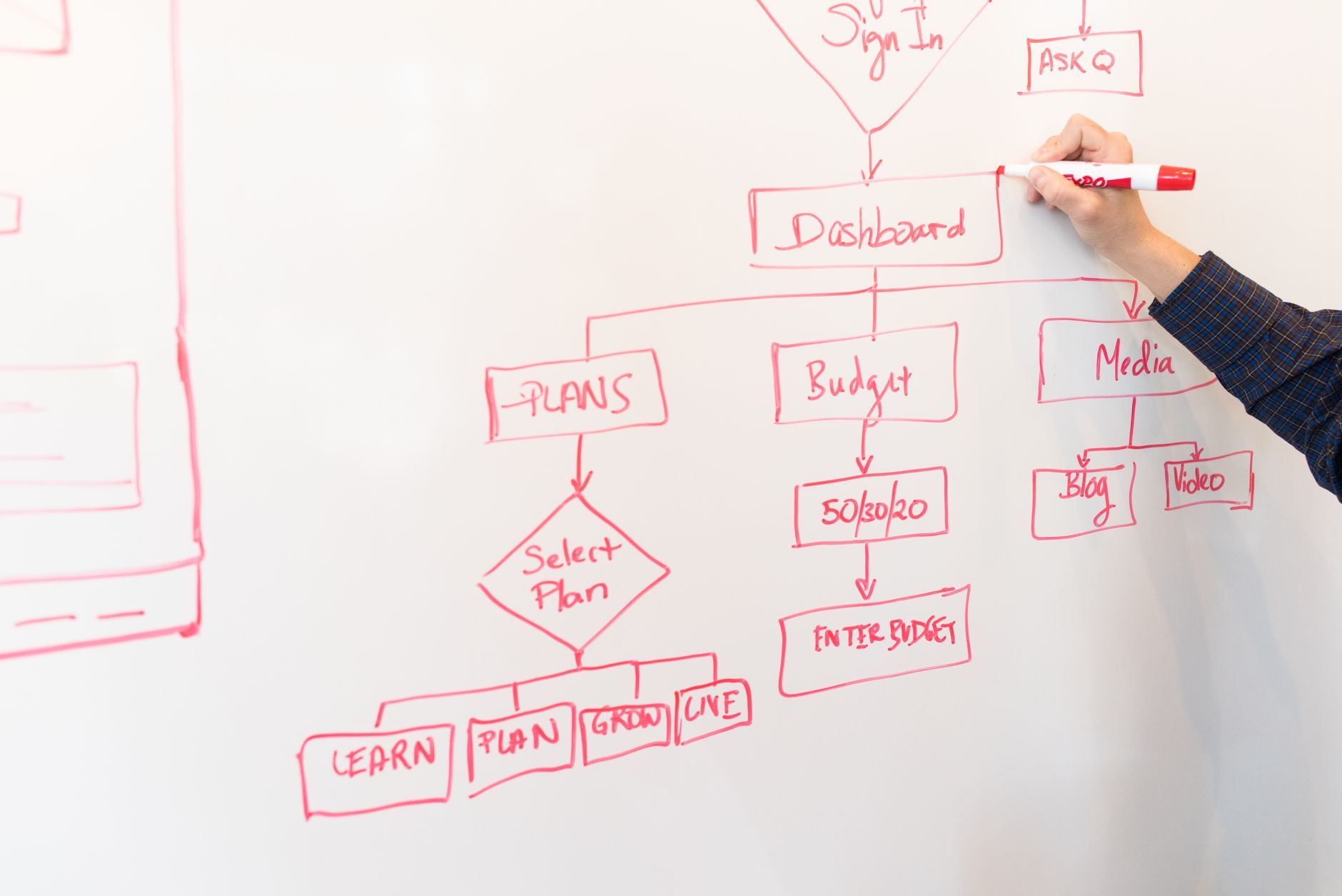
Converting a prompt library into an agent means naming the sequence, identifying the inputs the buyer supplies, and encoding the between-step logic so the chain runs on their material. If your library has a five-prompt sequence for turning a founder interview into a pitch narrative, the agent takes the transcript, runs the sequence, and returns the narrative. The buyer never sees the prompts. They see the output.
Practically, this looks like configuration rather than coding. You define the job the agent performs, paste your prompts as the instructions, specify the inputs and outputs, connect any tools the sequence touches, and test it against real examples. On Augex, you can create your first agent using the prompts you already wrote, which becomes the instructions layer. The orchestration handles the sequencing, memory, and handoffs. The human expert behind the agent, you, remains available for the judgment calls the sequence cannot make on its own.
Be honest about where your sequence breaks. If step three depends on you reading the output of step two and deciding whether to branch, encode both branches or flag the moment for human review. Buyers trust agents that name their limits. They churn from agents that pretend not to have any.
Pricing implications of each path
The distribution model determines what buyers are willing to pay for and how often they pay.
- One-time sale. Buyers benchmark against digital downloads. Price sensitivity is high, revenue is front-loaded, and repeat purchases require new libraries. Expect a ceiling in the low hundreds per pack unless the collection is genuinely comprehensive.
- License. Buyers benchmark against SaaS. Recurring revenue if you keep the library fresh and the interface useful. Requires ongoing work to justify the subscription. Churn is the metric to watch.
- Agent conversion. Buyers pay per run, tied to the value of the output. A pitch narrative agent that saves a founder four hours can command more per run than the entire prompt pack would sell for, because the buyer pays for finished work.
The reason conversion tends to earn more on the workflow subset is simple: reference material competes with free prompts on the internet, while finished output competes with hiring someone to do the job. The second market prices higher because the buyer is comparing you to their real alternative.
A decision framework you can run today
Take your library and do this in one sitting.
- List every prompt. Tag each one as reference, template, or workflow step.
- Group the workflow steps into complete sequences. Name each sequence by its outcome.
- For each sequence, write down the inputs a buyer would supply and the output they would receive.
- For each sequence, note the judgment calls that happen between steps. Decide which can be encoded and which need a human.
- Keep the reference and template buckets as a sellable or licensable pack. Convert each named sequence into an agent.
You end with two products from one library: a pack for buyers who want to learn or adapt, and one or more agents for buyers who want the outcome. Distribute them differently. Price them differently. The pack builds audience. The agents build revenue.
If you want to see how packaged sequences show up as agents in the wild, browse the marketplace and look at how the top listings describe the job, the inputs, and the output. The good ones read like a service brief. That's the format your sequence needs to fit into when you list it.
A prompt library sells as reference material and an agent sells as finished work. The library is worth more converted when the prompts encode a sequence you always run in the same order, because that sequence is the actual product. If you have workflows hiding inside your library, list them as agents and let buyers pay for the outcome your sequence was already producing.
Which specialist task does your team keep pushing to 11pm? Start there.
Related reading